
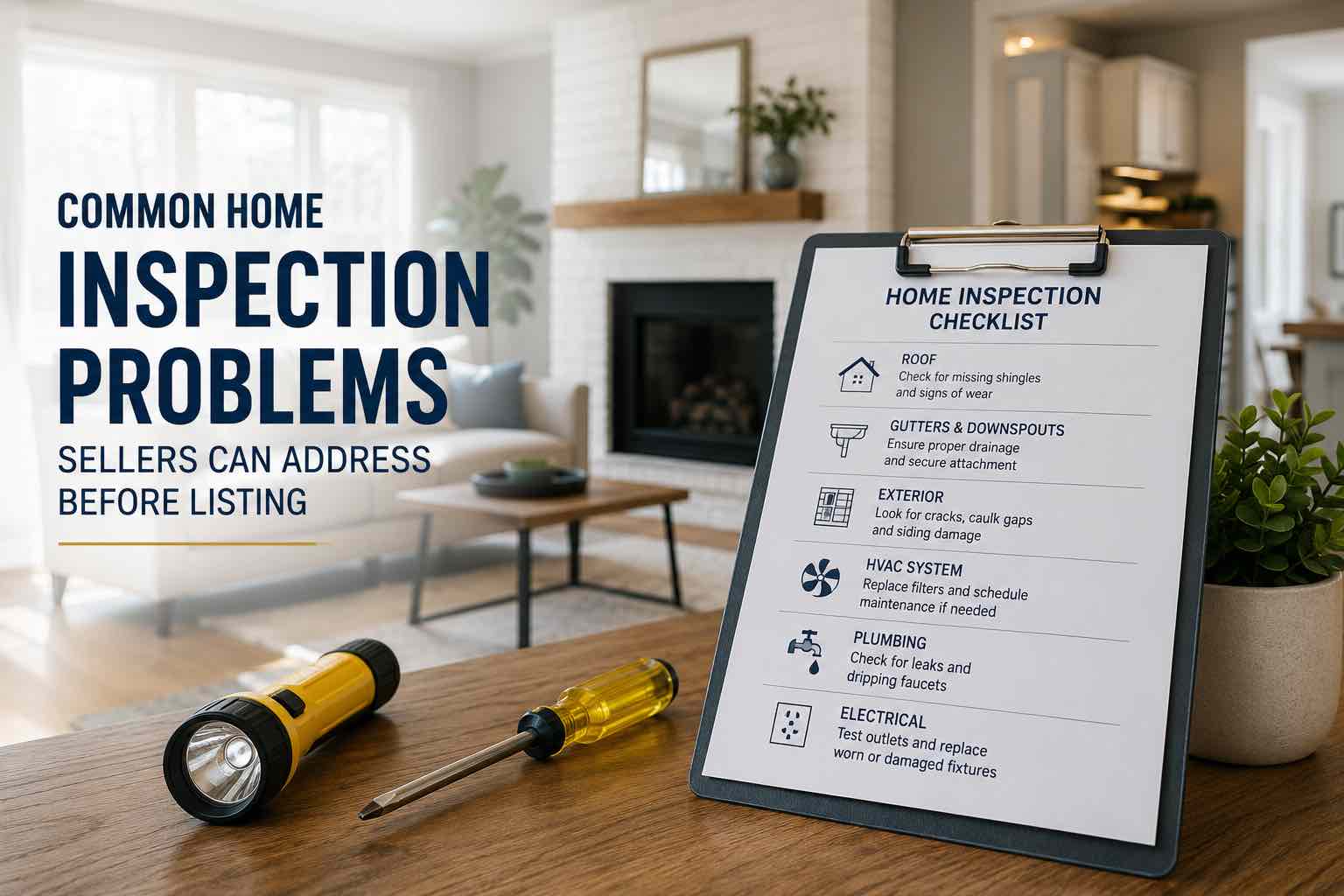
Selling a home in Monmouth County, New Jersey, involves more than preparing it for photos and showings. Once a buyer makes an offer, the home inspection can uncover problems that lead to additional negotiations, repair requests, or delays.
While you cannot predict everything a home inspector may find, many common inspection issues can be identified and addressed before your property goes on the market. Taking care of smaller problems ahead of time can help your home show that it has been well maintained and make the transaction process smoother.
Plumbing Leaks and Dripping Fixtures
Small plumbing problems are easy to overlook when you live with them every day. A dripping faucet, slow drain, leaking pipe under a sink, or running toilet may seem minor, but these issues are likely to be noted during an inspection.
Before listing your home, check:
- Faucets and showerheads for leaks
- Pipes underneath sinks
- Toilets for leaks or constant running
- Visible supply and drain lines
- Water pressure at fixtures
- Signs of previous water damage
Addressing an active leak is particularly important because moisture can lead to additional concerns, including damaged cabinetry, flooring, walls, or framing.
Electrical Issues
Electrical concerns can receive significant attention during a home inspection because they may involve safety.
Common findings can include loose outlets, switches that do not work, missing outlet covers, exposed wiring, improperly installed fixtures, and problems with GFCI protection.
If you know of an electrical problem, have it evaluated by a qualified electrician rather than attempting a temporary repair before listing.
Roof and Gutter Problems
The roof is one of the areas buyers tend to pay close attention to because replacement can represent a significant expense.
Before putting your home on the market, look for obvious problems such as damaged or missing shingles, loose flashing, clogged gutters, damaged downspouts, or evidence of an active leak.
You do not necessarily need to replace an older roof simply because you are selling. However, addressing obvious maintenance issues can prevent smaller problems from becoming larger inspection concerns.
Water Intrusion and Moisture
Water is one of the biggest concerns during many home inspections. In Monmouth County, this can be especially important for homes with basements, crawl spaces, older foundations, or properties located closer to the shore.
Look for signs such as:
- Water stains
- Damp basement walls
- Musty odors
- Moisture around windows and doors
- Plumbing leaks
- Damaged caulking
- Poor drainage around the foundation
Do not simply paint over a water stain. Determine where the moisture came from and address the source whenever possible.
Doors and Windows That Do Not Operate Properly
Go through the house and open and close your windows and doors. Something as simple as a window that will not open, a broken lock, damaged screen, or sticking door may be documented during an inspection.
Check locks, latches, seals, screens, and visible damage. These are often relatively straightforward maintenance items that can be handled before buyers begin touring the home.
Heating and Cooling System Maintenance
Your HVAC system will typically be evaluated as part of the home inspection. A dirty filter, neglected maintenance, unusual noise, or system that is not functioning properly can raise additional questions.
Replace dirty filters and consider having the system serviced if routine maintenance is overdue. Keep any available service records accessible so you can demonstrate how the equipment has been maintained.
Attic Ventilation and Insulation
Attics can reveal issues homeowners may rarely see. Inspectors may look for evidence of roof leaks, inadequate ventilation, damaged insulation, moisture, and other visible concerns.
If you know there has been a roof leak or moisture problem in the attic, consider having the issue evaluated before listing rather than waiting for it to appear in the buyer’s inspection report.
Exterior Drainage
Water should generally move away from the house rather than toward the foundation.
Walk around your property after a heavy rain and look for areas where water collects near the home. Check that downspouts discharge appropriately and that landscaping or soil is not creating obvious drainage toward the foundation.
Drainage issues can contribute to basement and crawl space moisture, so addressing them can prevent several related concerns.
Loose Railings, Steps and Deck Components
Exterior steps, decks, porches, and railings are other areas where maintenance issues frequently appear.
Loose handrails, deteriorated deck boards, unstable steps, or damaged components can create safety concerns. Check these areas before listing and have damaged components properly repaired.
Smoke and Carbon Monoxide Detectors
Check that required smoke and carbon monoxide alarms are present and functioning. Replace dead batteries and outdated or damaged units as appropriate.
This is a relatively simple item to address and helps demonstrate that basic safety features in the home have received attention.
Signs of Wood Destroying Insects
Termites and other wood destroying insects can cause significant concern during a real estate transaction.
Look for visible wood damage, moisture conditions around the foundation, or previous evidence of insect activity. If you suspect a problem, having it evaluated by a qualified pest professional before listing may help you understand the extent of the issue.
Minor Maintenance Problems Throughout the Home
A long list of small deficiencies can sometimes make buyers more concerned than one isolated repair.
Walk through your home and look for obvious maintenance items such as loose cabinet doors, damaged trim, missing caulk, broken hardware, cracked fixtures, loose doorknobs, or other components that no longer function as intended.
You do not need to make your home perfect. The goal is to take care of reasonable maintenance items that you already know need attention.
Consider a Pre Listing Home Inspection
One way to better understand your home’s condition before it reaches the market is to schedule a pre listing home inspection.
Instead of waiting for the buyer’s inspector to identify potential concerns, a pre listing inspection can give you an opportunity to learn more about the visible condition of the home’s major systems and components. You can then decide which items you want to address before listing and which you prefer to disclose or leave for the buyer.
For sellers in Monmouth County, a pre listing inspection can be particularly helpful with older homes, coastal properties, and homes that have undergone renovations or additions over the years.
Prepare for a Smoother Home Sale in Monmouth County
A home inspection does not need to be an unexpected obstacle in the selling process. Addressing known maintenance problems before listing can help reduce surprises and give prospective buyers greater confidence in the condition of the property.
Lighthouse Home Inspection provides professional home inspection services throughout Monmouth County, NJ. If you are preparing to sell your home and would like a better understanding of its condition before it goes on the market, schedule a pre listing home inspection with Lighthouse Home Inspection.