
Radon Testing in Monmouth County, New Jersey
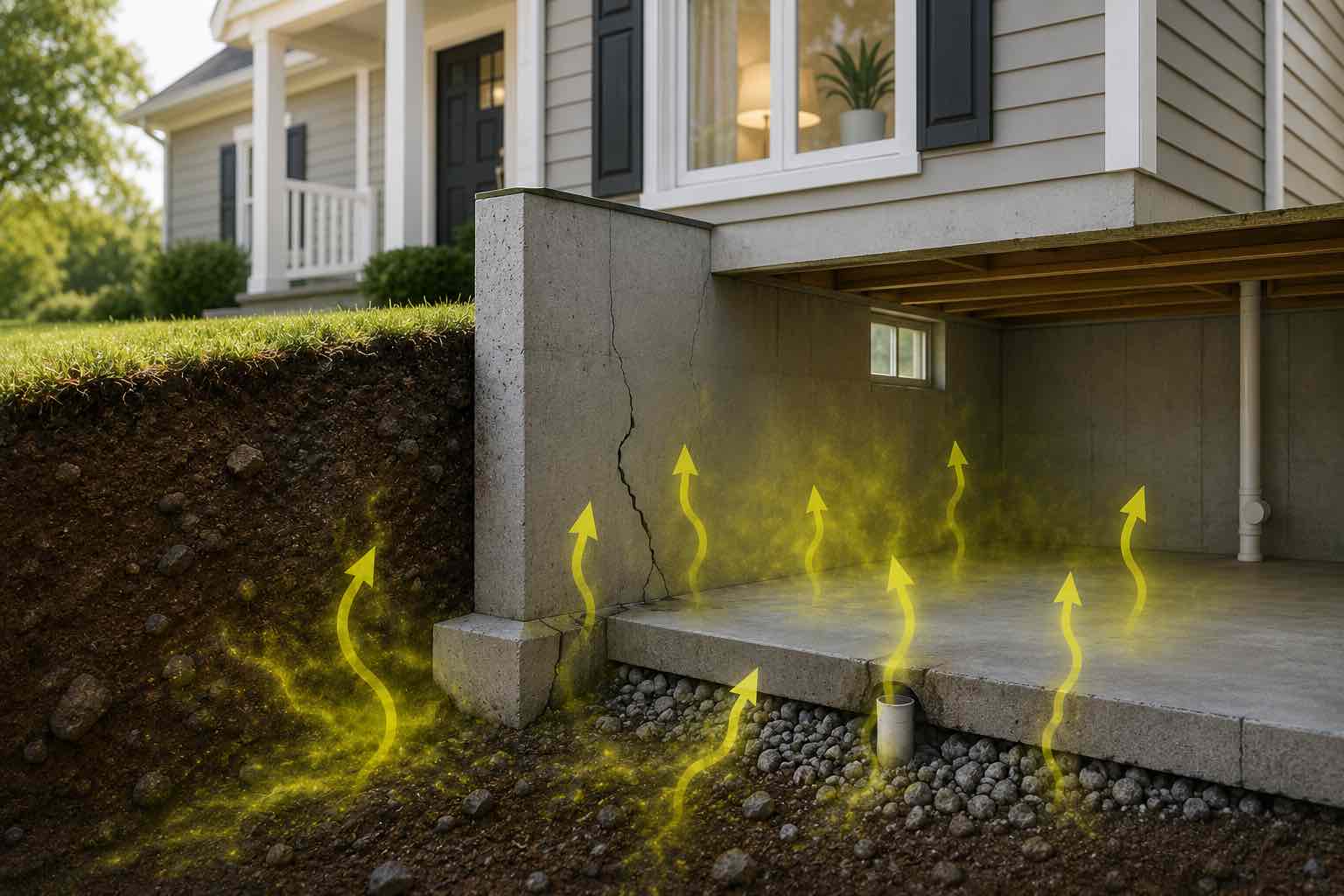
Radon is a naturally occurring radioactive gas that can enter a home through cracks and openings in the foundation. Because radon is colorless and odorless, testing is the only way to determine the radon level within a home.
Lighthouse Home Inspection provides professional radon testing for homebuyers, homeowners, sellers, and real estate professionals throughout Monmouth County and surrounding areas of New Jersey. Whether testing is part of a real estate transaction or you simply want to better understand conditions in your current home, professional testing provides important information about radon levels.
Radon Testing
Don't Overlook The Importance of a Radon Test
Every home is different, and radon levels can be influenced by the soil beneath the property, foundation construction, ventilation, and other conditions. A home that appears well maintained can still have elevated radon levels, which is why visual inspection alone cannot determine whether radon is present. Professional testing provides measurable results that give you a clearer understanding of the radon conditions within the home and whether further evaluation or mitigation should be considered.
What is radon?
Radon is a naturally occurring radioactive gas that forms from the breakdown of uranium in soil, rock, and groundwater. It can enter a home through cracks, gaps, and other openings in the foundation.
Why should I have my home tested for radon?
Because radon is colorless and odorless, there is no way to know the radon level in a home without testing. Testing provides measurable information about the level of radon present in the home.
How does radon get into a home?
Radon can enter through foundation cracks, construction joints, sump openings, crawl spaces, gaps around pipes, and other openings between the home and the soil below.
Can a newer home have elevated radon levels?
Yes. Radon can be present in homes of any age, size, or construction type. A newer home should not be assumed to have low radon levels.
How long does a radon test take?
Radon testing for a real estate transaction is typically conducted for at least 48 hours. During the testing period, certain conditions should be maintained in the home to help ensure accurate results.
Should buyers add a radon test to the home inspection?
Radon testing can be an important addition to a buyer’s home inspection. It provides information about a condition that cannot be identified through a standard visual home inspection.
What happens if the radon level is elevated?
Elevated radon levels do not necessarily mean a real estate transaction cannot move forward. Radon mitigation systems can often be installed to reduce radon levels within the home.
Can Lighthouse Home Inspection perform radon testing without a full home inspection?
Yes. Radon testing can be performed as part of a home inspection or as a separate service for homeowners, buyers, sellers, and real estate professionals.
Home Inspections
A thorough evaluation of the home’s major systems, components, and accessible areas to identify potential concerns and provide a clear understanding of the property’s overall condition.
Pool Inspections
A detailed evaluation of accessible pool components, equipment, surfaces, surrounding areas, and safety features to help identify potential problems and better understand the pool’s overall condition.
Radon Testing
Professional radon testing measures radon levels within the home, providing important information about the presence of this naturally occurring, colorless, and odorless gas.
Mold Testing
Professional mold testing can help identify potential mold concerns within the home and provide valuable information when moisture, water damage, or suspicious conditions are present.
Termite Inspections
A careful inspection for visible evidence of termite activity, wood damage, previous infestations, and property conditions that may make the home more susceptible to wood-destroying insects.
Questions?
Not sure what services you will need? We are here to answer your questions, explain your options, and help you choose the right inspections services for your property in New Jersey.